










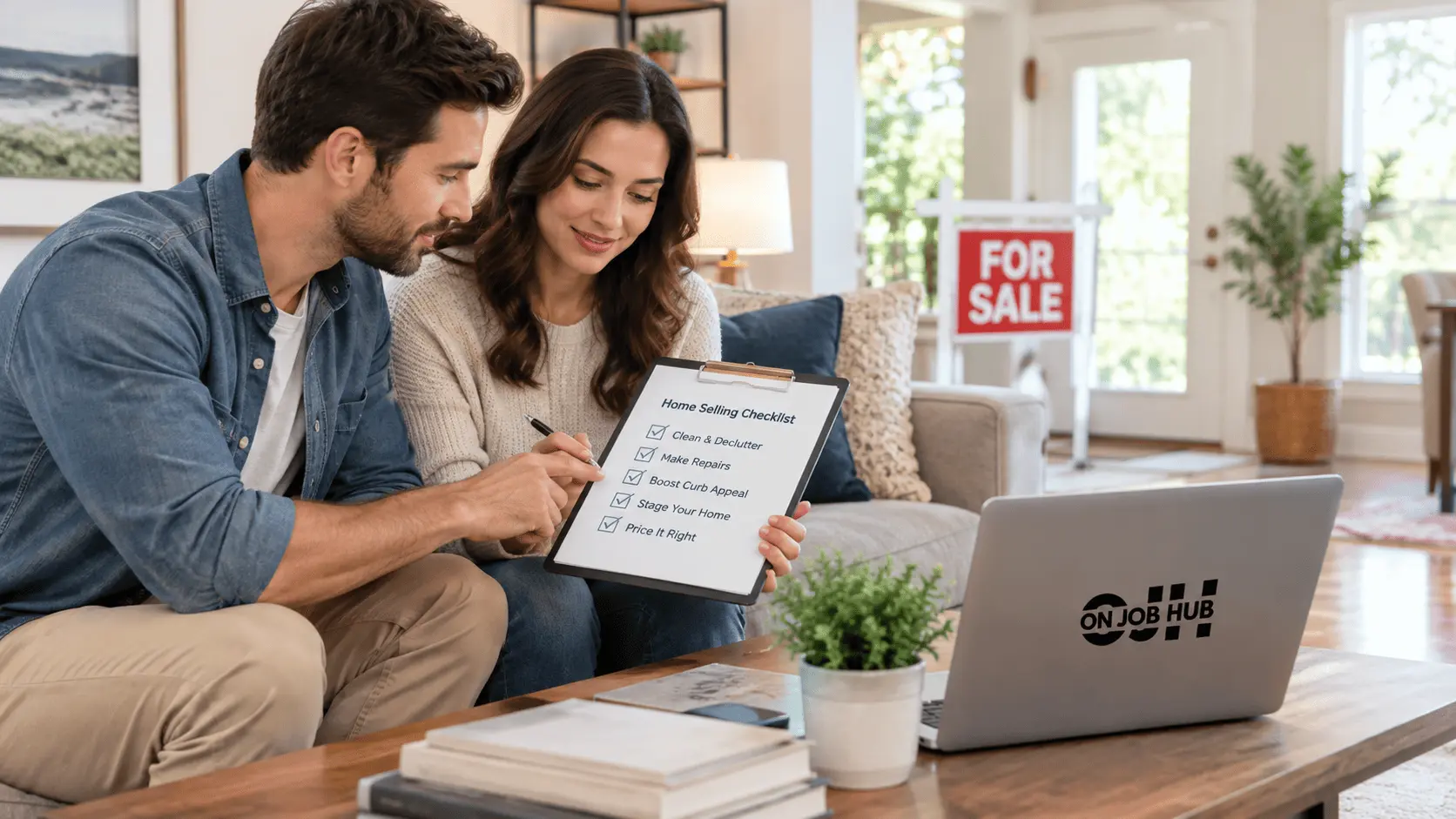
A buyer decides how they feel about a home within the first ninety seconds of walking through the door. If you’re wondering how to prepare your house for sale without wasting money on the wrong upgrades, the short version is this: fix what’s broken, declutter aggressively, and let the house look like it has room for someone else’s life in it. The rest is detail work. This guide walks through what actually moves the needle, room by room, and what you can skip.
What Does It Mean to Prepare a House for Sale?
Knowing How to Prepare Your House for Sale starts with understanding what buyers notice first.
Preparing a house for sale means addressing the physical condition, presentation, and paperwork of a property so it appeals to the widest pool of buyers and appraises well. It’s not the same as renovating. Most sellers don’t need a new kitchen — they need clean grout, working outlets, and a living room that doesn’t scream “we’ve lived here for eleven years.” The goal is simple: remove anything that makes a buyer hesitate or picture a repair bill.
How Does the Process of Preparing a House for Sale Work?
There’s a rough order to this, and skipping steps usually costs more later. Most agents walk sellers through something close to this sequence.
First, a pre-listing inspection or at least a walkthrough with a contractor friend, so nothing surprising shows up during the buyer’s own inspection. Then repairs — the boring stuff, not the flashy stuff. After that comes deep cleaning, decluttering, and staging. Photography happens last, once the house actually looks the way it’s going to look for showings.
A realistic example: a seller in Ohio listing a three-bedroom colonial spent about $1,800 on a pre-listing inspection, gutter repair, and fresh paint in two rooms, then skipped the kitchen remodel her neighbor insisted she needed. The house sold in eleven days at asking price. The remodel would have cost close to $30,000 and, based on comparable sales in her ZIP code, wouldn’t have returned even half of that.
Why Preparing Your House for Sale Matters in 2026
For many sellers, How to Prepare Your House for Sale is less about spending and more about prioritizing.
Inventory has loosened up in a lot of markets compared to 2021 and 2022, which means buyers have options again. They’re not making offers sight-unseen the way they were during the tightest years of the pandemic housing rush. A house that looks tired next to three other listings on the same street will sit longer and probably sell for less than list price.
There’s also the appraisal angle. Lenders still require an appraisal for most conventional loans, and a home that shows poorly can genuinely appraise lower — appraisers do factor in condition, not just square footage and comps. Preparing Your House for Sale properly protects the number on the closing statement, not just the number of showings you get.
Homeowners selling without an agent (FSBO), people relocating for work, and anyone selling an inherited property all benefit from this process, though the specific steps look different depending on the situation.
Key Areas to Focus On
One of the most useful ways to approach How to Prepare Your House for Sale is to separate necessary repairs from optional upgrades.
- Curb appeal — the exterior, front door, and yard, since this sets the buyer’s expectation before they even walk in.
- Kitchens and bathrooms — the two rooms that influence offers the most, even with modest updates.
- Deferred maintenance — leaky faucets, cracked caulk, squeaky doors, and anything a home inspector would flag.
- Neutral, decluttered spaces — rooms that photograph well and let buyers imagine their own furniture in them.
- Smell and light — pet odors, closed blinds, and dim bulbs are surprisingly common reasons buyers walk away fast.
Benefits of Preparing Your House Properly
When deciding How to Prepare Your House for Sale, focus on improvements that remove obvious buyer objections.
A well-prepared house tends to sell faster, and that alone reduces carrying costs — mortgage payments, utilities, and insurance you’re still paying on a house you no longer want to live in. It also tends to attract multiple offers in balanced or seller-leaning markets, which gives you leverage on price and closing terms instead of the other way around.
There’s a psychological benefit too, one agents mention constantly: buyers who walk into a clean, well-lit, odor-free home are less likely to nitpick during negotiations. They’re focused on how the house feels, not hunting for reasons to knock $5,000 off the offer. That said, none of this guarantees a specific sale price — local market conditions still do most of the heavy lifting.
For a more detailed checklist covering inspections, decluttering, cleaning, staging, and curb appeal, you can also review this guide on How to Prepare Your House for Sale.
Step-by-Step: How to Prepare Your House for Sale
Your budget for How to Prepare Your House for Sale should reflect the condition of the property and nearby comparable homes.
- Get a pre-listing inspection. This surfaces problems before a buyer’s inspector does, giving you time to fix or price around them.
- Handle repairs first, upgrades second. A broken garbage disposal or a cracked window matters more to a buyer than a trendy backsplash.
- Declutter room by room, then rent storage if needed. Closets should look half-full, not stuffed. Buyers open closets.
- Deep clean everything, including things you’d normally skip. Baseboards, window tracks, and the inside of the oven all matter.
- Depersonalize without stripping all personality. Family photos and strong paint colors can distract buyers from picturing themselves in the space.
- Improve lighting. Swap mismatched bulbs for a consistent warm white, and open every blind before showings.
- Handle the yard and entryway. Trim bushes, pressure-wash the walkway, and repaint or replace a worn front door.
- Schedule professional photography once everything above is done — not before.
Preparing to Sell vs. Selling As-Is
These steps also make How to Prepare Your House for Sale easier when your listing deadline is approaching.
Some sellers skip prep entirely and list “as-is,” usually to investors or cash buyers. It’s faster and requires almost no upfront work, but it typically means a lower sale price — often 10 to 15% below what a prepared, market-ready home would fetch, depending on local demand.
As-is sales make sense for sellers dealing with a rushed timeline, a property in genuinely poor condition, or an inherited house nobody wants to manage repairs on. For most other sellers, especially in a market where buyers are comparing several similar listings, putting in the prep work is what actually pays off at closing.
Common Mistakes to Avoid
Good photography is an important final stage of How to Prepare Your House for Sale because online presentation creates the first impression for many buyers.
Overspending on trendy renovations is probably the biggest one. Buyers don’t reliably pay back the cost of a kitchen remodel done right before listing — cost-vs-value reports from remodeling industry publications consistently show partial returns, not full ones.
Ignoring smell is another. Sellers get used to their own home’s scent and stop noticing it. A buyer notices it in the first three seconds.
Pricing based on emotion instead of comps trips up a lot of first-time sellers, especially ones who’ve put real money into prepping the house and expect that to show up dollar-for-dollar in the offer.
Leaving clutter in closets and garages is a quieter mistake. Buyers judge storage space by how much room is visible, not how much square footage technically exists.
And skipping minor repairs because they seem too small to matter — a running toilet or a sticking door — often backfires during the buyer’s inspection, where small issues pile up and start to look like neglect.
Tips for Getting Better Results
Before choosing an as-is strategy, compare it with the likely results of How to Prepare Your House for Sale properly.
Work with a real estate agent early, even before you start any physical prep — they’ll know what buyers in your specific neighborhood actually respond to, which varies more than people expect.
If you’re also considering a career change while planning your next move, our guide on How to Get a Job in Finance offers practical advice for transitioning into the finance industry.
Get comparable sales data before setting a budget for repairs, so you’re not spending money you won’t recoup. Consider a pre-listing staging consultation; some agents include this for free, and it’s worth asking.
Time your listing around local market patterns too. In a lot of regions, listings that go live in early spring get more traffic than ones posted right before the winter holidays.
Frequently Asked Questions
What is involved in preparing your house for sale?
It covers repairs, deep cleaning, decluttering, staging, curb appeal, and getting paperwork like inspection reports and disclosures ready before listing.
A written checklist for How to Prepare Your House for Sale can help you track repairs, cleaning, staging, and documents.
Is preparing your house for sale worth it in 2026?
In most markets, yes — buyers have more choices than they did a few years ago, and a well-prepared home tends to sell faster and closer to asking price. It’s less worth it if you’re selling as-is to an investor or on a very tight timeline.
Who should focus most on preparing their house for sale?
Sellers in competitive or balanced markets, anyone financing with a traditional buyer pool, and owners of homes with visible cosmetic wear all benefit. Sellers going the cash-investor or as-is route can usually skip most of it.
If you’re working with an agent, ask for specific recommendations on How to Prepare Your House for Sale in your local market.
How does the process of preparing a house for sale actually work?
It generally starts with an inspection and repairs, moves into cleaning and decluttering, then staging, and finishes with professional photos right before the listing goes live.
What are the main benefits of preparing your house for sale?
Faster sales, stronger offers, fewer negotiation headaches, and a better shot at hitting your target price.
How much should I budget to prepare my house for sale?
It varies widely by home condition and region, but many sellers spend somewhere between a few hundred dollars for cleaning and minor touch-ups and several thousand for paint, repairs, and staging. A local agent can give a realistic range based on comps.
Should I make major renovations before selling?
Usually not. Cosmetic and functional fixes tend to matter more to buyers than full remodels, which rarely return their full cost at closing.
Final Thoughts
The houses that sell fastest aren’t the ones with the newest appliances — they’re the ones where nothing feels broken, cluttered, or ignored.
If you take one thing from this guide on How to Prepare Your House for Sale, let it be this: spend your time and money on the things a home inspector or a skeptical buyer would notice first, not the things that would impress a neighbor.
Ultimately, How to Prepare Your House for Sale should be guided by buyer expectations, property condition, and your selling timeline. Start with repairs, clean harder than feels necessary, and let the photos happen last.

One thought on “How to Prepare Your House for Sale: A Practical Guide for 2026”