









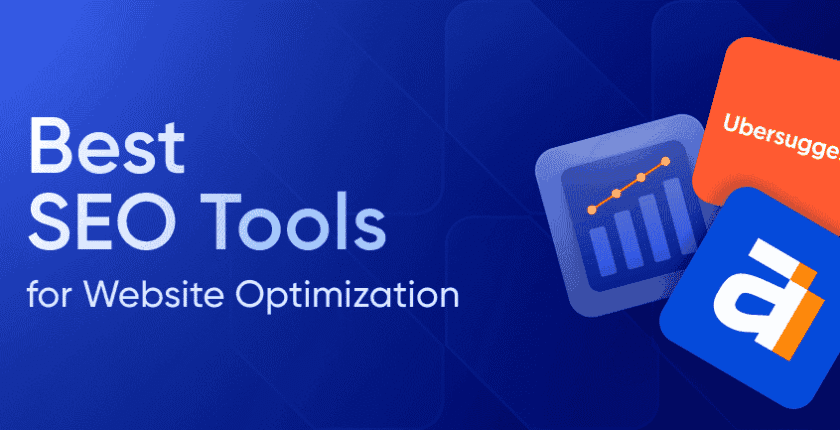
Best SEO Tools: Search Engine Optimization (SEO) is no longer a luxury; it is a necessity for any business that wants to survive in the digital age. However, trying to rank on the first page of Google without the right data is like trying to navigate a forest without a map. This is where the best SEO tools come into play.
Whether you are a seasoned digital marketer or a small business owner just starting out, the right software can automate your workflow, provide deep insights into your competitors, and help you identify the high-traffic keywords that will actually drive revenue. In this comprehensive guide, we will explore the top-rated Best SEO tools in the industry, ranging from all-in-one platforms to specialized niche software.
Why Should You Use SEO Tools?
Before diving into the list, it is important to understand what these tools actually do for your business. Relying on intuition isn’t enough when your competitors are using data-driven strategies. Professional Best SEO tools provide several key advantages:
- Competitive Analysis: Discover which keywords your competitors are ranking for and where their backlinks are coming from.
- Keyword Research: Identify search terms with high volume and low competition to target in your content strategy.
- Technical Audits: Find and fix broken links, slow loading pages, and indexing issues that hurt your rankings.
- Performance Tracking: Monitor your keyword rankings over time to see what is working and what needs adjustment.
- Content Optimization: Ensure your articles are written in a way that search engines can easily understand.
The Best All-in-One SEO Platforms
All-in-one tools are the Swiss Army knives of the digital marketing world. They cover everything from keyword research to link building and site audits.
1. Semrush
Semrush is widely considered the industry standard for SEO professionals. It offers a massive suite of over 50 tools covering SEO, content marketing, competitor research, and social media management. Its “Keyword Magic Tool” is particularly famous for providing one of the largest keyword databases in the world.
Key Features: Site Auditing, Position Tracking, and Backlink Analytics. It also includes unique features like the SEO Writing Assistant, which helps you optimize content in real-time as you write.
2. Ahrefs
While Semrush is great for overall marketing, Ahrefs is often preferred by those who prioritize link building. It boasts the fastest backlink crawler in the industry. If you want to know exactly who is linking to your competitors, Ahrefs is the tool for you.
Key Features: Site Explorer, Content Explorer, and Rank Tracker. Their Keywords Explorer provides incredibly accurate data on search volume and keyword difficulty.
3. Moz Pro
Moz is one of the pioneers in the SEO space. Their “Domain Authority” (DA) metric is used globally to measure the “strength” of a website. Moz Pro is known for being user-friendly and providing excellent educational resources for beginners.
Key Features: Link Explorer, Keyword Explorer, and a robust on-page optimization tool that suggests specific improvements for your landing pages.
Best Tools for Keyword Research
Identifying the right keywords is the foundation of any successful SEO strategy. Here are the tools that do it best.
4. Google Keyword Planner
The best part about Google Keyword Planner is that the data comes directly from the source: Google. While it is designed for advertisers using Google Ads, it is an essential free resource for SEOs to find keyword ideas and see how search volumes fluctuate over time.
5. AnswerThePublic
SEO is increasingly moving toward “natural language” and question-based queries. AnswerThePublic listens to autocomplete data from search engines and generates a “cloud” of questions people are asking. It is perfect for finding long-tail keywords and brainstorming blog topics.
6. KWFinder by Mangools
If you find Semrush or Ahrefs too overwhelming, KWFinder is a fantastic alternative. It focuses on finding long-tail keywords with low SEO difficulty. The interface is clean, intuitive, and much more affordable for small businesses.
Best Technical SEO and Audit Tools
Your content won’t rank if search engine bots cannot crawl your site efficiently. Technical SEO ensures your site’s “under the hood” components are functioning perfectly.
7. Screaming Frog SEO Spider
Screaming Frog is a desktop-based program that crawls your website just like a search engine would. It provides an exhaustive list of technical issues, including 404 errors, duplicate content, and missing meta tags. The free version allows you to crawl up to 500 URLs.
8. Google Search Console
No list of the best SEO tools is complete without Google Search Console (GSC). This is a free service offered by Google that helps you monitor, maintain, and troubleshoot your site’s presence in Google Search results. It tells you exactly which pages are indexed and which keywords are driving clicks.
9. GTmetrix
Site speed is a confirmed ranking factor. GTmetrix analyzes your page’s load time and provides a detailed report on how to improve it. It breaks down technical metrics like Largest Contentful Paint (LCP) and Cumulative Layout Shift (CLS), which are part of Google’s Core Web Vitals.
Best Content Optimization and AI Tools
Writing high-quality content is important, but optimizing it for the right semantic keywords is what helps you outrank the competition.
10. Surfer SEO
Surfer SEO analyzes the top-ranking pages for your target keyword and tells you exactly how many words to write, how many images to use, and which subheadings to include. It takes the guesswork out of content creation by using a data-driven “Content Score.”
11. Clearscope
Clearscope is a premium content optimization tool used by high-end editorial teams. It integrates directly with Google Docs and WordPress, making it easy for writers to see which terms they need to include to make their content more comprehensive and relevant to searchers.
Best Free Best SEO Tools for Beginners
You don’t need a massive budget to start improving your rankings. These free tools offer significant value without the monthly subscription fee.
- Ubersuggest (Free Version): Neil Patel’s tool offers keyword suggestions and basic site audits for free.
- Yoast SEO: A must-have WordPress plugin that guides you through on-page SEO basics like title tags and meta descriptions.
- Google Analytics 4: Essential for tracking user behavior and understanding how visitors interact with your site once they arrive from search.
- SEO Quake: A powerful browser extension that allows you to perform a quick SEO audit of any webpage on the fly.
How to Choose the Right Best SEO Tools for Your Needs
With so many options available, choosing the “right” tool depends on your specific goals and budget. Here are a few factors to consider:
- Budget: Tools like Semrush and Ahrefs start at around $100-$130 per month. If that is too high, consider starting with Mangools or using free tools until you generate revenue.
- Ease of Use: If you are a beginner, Moz or Ubersuggest are much easier to navigate than Screaming Frog or Ahrefs.
- Specific Goals: Are you focusing on link building? Go with Ahrefs. Are you focusing on content? Go with Surfer SEO. Are you a local business? Focus on Google Business Profile and local citation tools.
- Team Size: Some tools offer better collaboration features and multi-user seats, which is vital for agencies.
Frequently Asked Questions About Best SEO Tools
What is the best SEO tool for beginners?
For beginners, Moz Pro and Ubersuggest are excellent because they offer intuitive interfaces and plenty of educational tooltips. Google Search Console is also a mandatory free tool for anyone starting out.
Are paid Best SEO tools worth the money?
Yes. While free tools are great for basics, paid tools provide “hidden” data, such as competitor backlink profiles and historical ranking data, which are essential for scaling a business.
Can I do SEO without tools?
Technically, yes, but it is extremely difficult. Without tools, you cannot accurately see search volumes, keyword difficulty, or technical errors that are invisible to the naked eye. Tools save you hundreds of hours of manual labor.
Which tool is better, Semrush or Ahrefs?
This is a common debate. Semrush is generally better for keyword research, PPC, and overall marketing strategy. Ahrefs is widely considered superior for backlink analysis and technical site exploration.
Conclusion
Mastering SEO is a journey, but using the best SEO tools makes that journey much faster and more profitable. If you are just starting, focus on mastering Google Search Console and Google Analytics. Once you are ready to scale, investing in an all-in-one suite like Semrush or Ahrefs will provide the competitive edge you need to dominate the search results.
Remember, tools are only as good as the person using them. Use the data these platforms provide to create high-quality, helpful content for your audience, and you will inevitably see your rankings climb. Happy optimizing!